In an equipment rental company, the problem is rarely a lack of work. The problem is that the day gets eaten up by the usual: answering the same enquiries, taking calls from customers, drivers and your own sales team; knowing which machine is free and which is in the workshop, preparing quotes, chasing delivery notes and invoices, and reaching month-end with no time to look at the numbers calmly. Management ends up firefighting instead of directing and running the business better.
Artificial intelligence has been sold these past years with a lot of hype, and I understand the scepticism. But, setting the noise aside, there is a handful of very concrete things that already improve how a rental company runs today, raise the performance of the fleet and —this is what is felt most at the top— give hours back to management. In this article I will tell you what they are, without jargon and with both feet on the ground.
First things first: AI does not replace your team, it helps them perform better at the work that matters
It is worth saying at the outset to avoid misunderstandings. Applying AI in a rental company is not about letting anyone go or building something futuristic. It is about identifying the repetitive, low-value tasks that today eat up the hours of capable people —answering the same thing twenty times, copying data from one place to another, drafting the same standard quote— and letting the machine take care of them, so your people spend their time on what really adds value: closing deals, looking after the customer and keeping the fleet in shape.
With that clear, these are the fronts where the result shows up fastest.
1. Customer service and lead capture that never sleeps
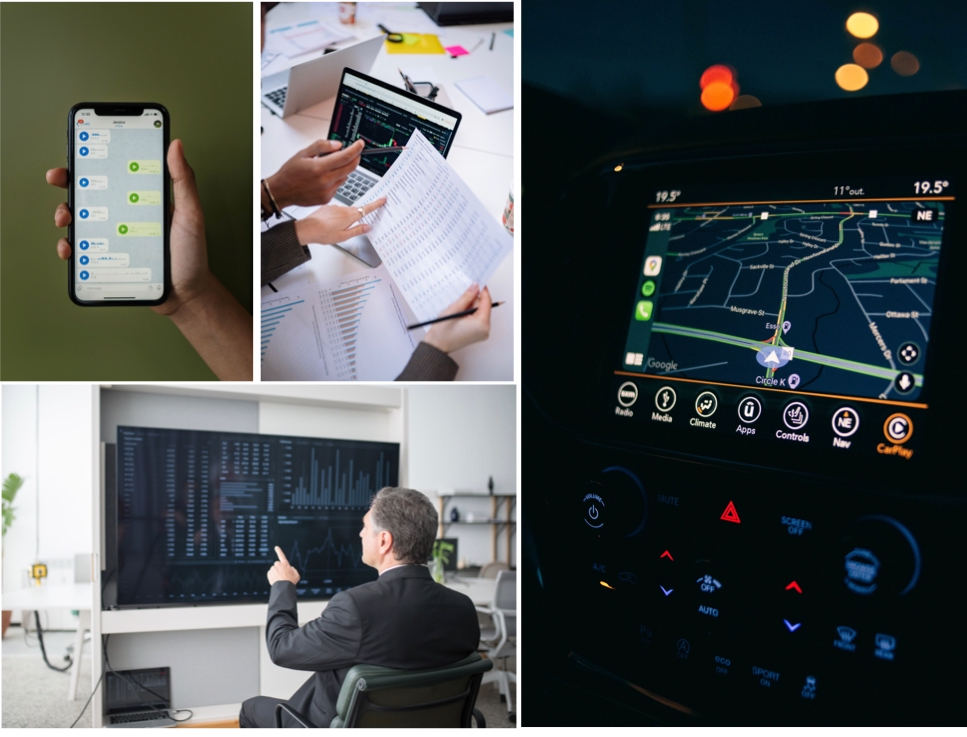
Most rental enquiries are similar: which machine is available, for what dates, at what price, under what conditions. A conversational AI assistant (chatbot) —by WhatsApp, for example— can field those questions at any hour, give an immediate first reply, guide on availability and collect the customer's details so your team closes the next day with half the work already done. It can even book the job into your weekly schedule.
The effect is twofold: the customer gets an answer at once (and in this sector, whoever replies first usually wins the rental), and your team stops losing the morning to routine questions. Enquiries that arrive at night or over the weekend, which used to go cold, are now captured.
2. Quotes, contracts and delivery notes in a fraction of the time
Rental paperwork is repetitive by nature, and that makes it perfect to automate. Generating a quote from a few data points, preparing the contract with its terms, issuing the delivery and collection notes: these are tasks that, well set up, go from taking a while to resolving almost on their own, with fewer copy-and-paste errors.
It is not just speed. It is that the salesperson replies sooner, the customer signs sooner, and the machine goes out to work —and to bill— sooner.
3. Fleet management: always knowing what you have and where
The heart of a rental company is its fleet, and the biggest waste is the machine sitting idle that could be out on hire, or the one hired with no margin because its real cost was not clear. With the data in order, AI helps keep in view what is available, what is on hire and until when, what is in maintenance, and helps anticipate demand to place each unit better.
That control translates directly into performance: higher fleet utilisation, fewer dead spots, and buy-or-retire decisions based on what each machine really contributes.
4. Predictive maintenance: fewer breakdowns, fewer stoppages
A machine down with a breakdown is not only costly for the repair: you have to add the lost revenue from the hire that does not come in and the cost of letting down the customer left stranded. By cross-referencing the machines' usage data —hours, loads, intervention history— AI can help anticipate when it is worth inspecting or replacing a component before it fails, and schedule maintenance in the quieter periods, or at least flag it in advance.
Moving from repairing when something fails to stepping in before it fails is probably where the most performance is gained in the fleet: fewer unexpected stoppages, longer service life and customers who trust that your machine will not leave them stranded.
5. Administration and collections with nothing slipping through
Due-date reminders, invoice follow-up, overdue-payment control, payment reconciliation: tasks that bring no prestige but that, left unchecked, eat into profitability. Automating them sensibly means no payment slips through and administration stops being a time sink.
6. The dashboard management needs (and never has time to build)
This is the point that matters most at the top. All the information above —fleet utilisation, profitability per machine, enquiries handled, outstanding payments— can be poured into a dashboard that updates itself and that management reads in five minutes, instead of rebuilding it by hand every month in spreadsheets.
Directing with data in view, rather than on intuition and after the fact, is what separates a company that reacts from one that gets ahead. And, above all, it gives management back the scarcest asset: time to think about the business instead of the business's paperwork.
Where to start: small, specific and measurable
If there is one thing I have learned, it is that these projects go wrong when you try to do everything at once. What works is the opposite: pick one process that hurts —usually customer service or preparing quotes—, set up a simple solution there, measure what improves, and expand from that result. Small, specific and measurable. That way the investment justifies itself and the team adapts to the change instead of suffering it.
How we do it at KRANEX
At KRANEX we know the machinery sector from the inside, and that is the difference. We do not turn up with a generic tool to see where it fits: we start from how a rental company really works —its processes, its time pressures and its margins— and on that basis we design the AI solution that makes sense for your case, starting where it is felt most. From a WhatsApp customer-service assistant to task automation and a dashboard for management, we build what saves you time and makes you money, not what sounds modern.
You can see the detail of the service in AI integration for your business.
Frequently asked questions
Do you have to be a large company to apply AI to equipment rental?
No. In fact, in a small or medium company the impact shows up sooner, because every hour freed for management or the sales team weighs much more. What matters is not size, but starting with one specific process.
Is this very expensive and complicated to set up?
It depends how it is approached. A well-scoped project —a service assistant, for example— is affordable and pays for itself quickly. What is expensive is the opposite: trying to automate everything at once without measuring or comparing against prior performance before rolling out the new AI measures.
Is AI going to replace my team?
That is neither the goal nor advisable. The idea is to take the repetitive work off your team so they spend their time on what adds value. The machine handles the routine enquiry; your people close the deal.
What do I need to get started?
Above all, having identified which process is eating most of your time. The rest —the data, the tools— gets sorted along the way. A first conversation is usually enough to see where it is worth starting.
How long does it take to see results?
In well-scoped projects, weeks, not months. Precisely because you start small and measurable, the first result comes soon and helps decide the next step.
Want to see what AI could do in your company?
If you run an equipment rental company and feel the day gets eaten up by the usual, tell us how you work and we will tell you, with no obligation, where we would start and what you could gain. No hype, both feet on the ground.
Talk to us or see the detail of our AI integration service.