An idle crane earns nothing; a badly sold crane, nothing either. Selling lifting equipment carries two clear and opposite risks: selling it short by not knowing its real value, or leaving it for months without a buyer by asking a price out of line with the market. With experience built up over many years brokering crane sales, this is what makes the difference between a good sale and an unsatisfactory one.
When is a good time to sell
The best time to sell is not always when you stop using the machine. Three things matter: the demand for that model at the time, the crane’s condition and the cost of keeping it idle. A crane that no longer fits your fleet loses value every season it sits in storage, while it keeps accruing maintenance and insurance costs. In most cases, acting early pays off: a machine you no longer use is tied-up capital that is depreciating.
How much your crane is worth
The price is set by the combination of brand, model, year, working hours, real condition and current demand for that machine. There is no point looking at what someone else is asking for a “similar” crane, because a year’s difference, a few thousand hours, or the state of preservation and any “pending” repairs change the figure a great deal.
A proper valuation saves you from both traps: selling below value, or being left without a buyer because of overpricing. It is the starting point for any well-planned sale. We explain how it is done and which factors weigh most in “How to value a used mobile crane”.
Prepare the crane and the paperwork
A crane sells better and faster when it reaches the market ready to be offered:
Condition and cleanliness. A well-kept machine conveys confidence and supports the price. The details show, and a serious buyer values them.
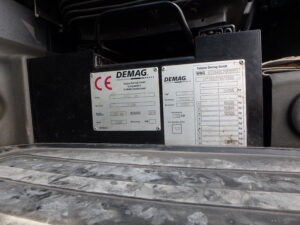
Paperwork in order. Technical sheet, registration, valid roadworthiness test (TÜV) and up-to-date certificates. Missing paperwork slows a deal down or sinks it: an informed buyer discounts — or walks away — when the documentation is incomplete.
Maintenance history. Having services and repairs documented is a selling argument, not a formality. It shows how the machine has been looked after. The absence of accidents increases willingness to buy, but if there have been any, hiding them is useless, because the expert eye will spot them if the manufacturer’s local representative has not done so yet.
Real photos and data. Good images and accurate specifications (real kilometres and hours, and the detail of all options and auxiliary equipment) attract serious buyers and save pointless visits from the curious. Dressed-up data only delays the deal when it is found out.
Where and how to sell it
You have several routes: machinery portals, your own network of contacts, or a specialised broker. Selling on your own is possible, but it means adverts, calls, filtering out time-wasters, showing the machine and negotiating, with the added risk that the buyer pulls out at the last moment or that you close with the paperwork poorly tied up — not to mention possible scammers who put down a small deposit to block the sale and start offering it around the market, without a real buyer, which delays the process enormously.
A broker changes that equation: the crane is offered directly to real, solvent buyers, inside and outside Spain, and the deal is handled by someone who knows how to close it and what procedures are needed. At KRANEX we place your crane on the national and international market and take care of everything, from the negotiation to the paperwork and transport. You decide; we do the work.
National or international sale
Many cranes find their buyer outside Spain. Selling abroad greatly widens the market — and sometimes the price — but it adds the export side: international transport, customs and documentation. It is not an obstacle if it is planned from the start; in fact, it is precisely where an international network of contacts makes the difference between a deal that closes and one that stalls.
Mistakes that lose money
- Setting a price “by eye”, without a real valuation.
- Showing the crane with incomplete or expired paperwork.
- Neglecting condition, cleanliness and photos.
- Sticking to the local market when the demand for that model is outside Spain.
- Being in a hurry and accepting the first low offer out of fatigue with managing the sale, or the involvement of unknown agents with no references or backing company.
Frequently asked questions
How long does it take to sell a mobile crane? It depends on the model and the asking price. With a well-judged valuation and reaching the right buyers, it is much shorter; with a price out of line with the market, it can drag on forever.
How much is my crane worth? There is no single answer: it is set by the combination of brand, model, year, hours and condition. The right thing is to have it valued before putting a price on it.
Can I sell my crane to a foreign buyer? Yes. Many deals are international; you just have to manage the export, transport and documentation properly.
What is the advantage of selling through a broker? You reach more real buyers, you do not waste time on paperwork or time-wasters, and you close with the deal properly tied up legally. We normally prevent your crane from appearing offered online or on social media without your prior consent.